Populares Vitaminas y Suplementos Minerales No Ofrecen Beneficios de Salud, Muestra Estudio

Lawndale News Chicago's Bilingual Newspaper - Health

Lawndale News Chicago's Bilingual Newspaper - Health

La vitamina que se consume comúnmente y los suplementos minerales no ofrecen beneficios consistentes de salud, sugiere un nuevo estudio conducido por investigadores de St. Michael’s Hospital y la Universidad de Toronto. Publicado en Journal of the American College of Cardiology, la revisión sistemática de datos existentes y ensayos únicos de control aleatorizado publicados en inglés de enero del 2012 a octubre del 2017 se encontró que las multivitaminas, la vitamina D, el calcio y la vitamina C – los suplementos más comunes – no mostraron ninguna ventaja y mayores riesgos en la prevención de enfermedades cardiovasculares, ataques cardíacos, embolias o muertes prematuras. Generalmente los suplementos vitamínicos y minerales se toman para agregar nutrientes a los nutrientes que se encuentran en los alimentos.

“Nos sorprendió encontrar tan pocos efectos positivos en la mayoría de suplementos que la gente consume”, dijo el Dr. David Jenkins, autor principal del estudio. “Nuestra revisión encontró que si usted quiere utilizar las multivitaminas, la vitamina D, el calcio o la vitamina C, no le hace daño – pero aparentemente tampoco hay ninguna ventaja”. El estudio encontró que el ácido fólico solo y las vitaminas B con ácido fólico pueden reducir las enfermedades cardiovasculares y la embolia. Mientras tanto, el niacin y los antioxidantes mostraron muy poco efecto que pueda significar un creciente riesgo de muerte por ninguna causa. “En la ausencia de importantes datos positivos – aparte de la potencial reducción del ácido fólico en el riesgo de la embolia y las enfermedades cardíacas – es mejor confiar en una dieta saludable que llenarse de vitaminas y minerales”, dijo el Dr. Jenkins. “Hasta ahora, ninguna investigación sobre los suplementos nos ha demostrado nada mejor que porciones saludables de alimentos de plantas menos procesadas, incluyendo vegetales, frutas y nueces”.

La Esperanza de Vida en E.U. Ha Bajado Nuevamente

Lawndale News Chicago's Bilingual Newspaper - Health

Lawndale News Chicago's Bilingual Newspaper - Health

El índice de muertes en E.U. se elevó el año pasado y el 2017 probablemente será el tercer año consecutivo de disminución en la esperanza de vida estadounidense, de acuerdo a datos preliminares. Los índices de muerte subieron por la enfermedad del Alzheimer’s, la diabetes, la influenza y la neumonía y tres otras causas principales de muerte, de acuerdo a cifras publicadas en línea el miércoles por los Centros para el Control y la Prevención de Enfermedades. Datos del año entero aún no están disponibles en sobredosis de drogas, suicidios o muertes por armas de fuego. Pero estadísticas parciales del año en esas categorías mostraron un contínuo aumento. Por décadas, la esperanza de vida creció, aumentando unos cuantos meses casi cada año. Pero el 2016 fue el segundo año consecutivo que la esperanza de vdia en E.U. cayó, caso raro ocurrido solamente dos veces antes del último siglo. El índice de muerte en general subió un poco menos que el uno por ciento a aproximadamente 734 muertes en cada 100,000 personas. El índice bajó ligeramente en el 2016, a pesar de la cifra récord del muertes ese año, por lo que su aumento en el 2017 es una razón más para esperar que la esperanza de vida empeore.

Las Enfermedades de las Encías Causan Serios Problemas

Lawndale News Chicago's Bilingual Newspaper - Health

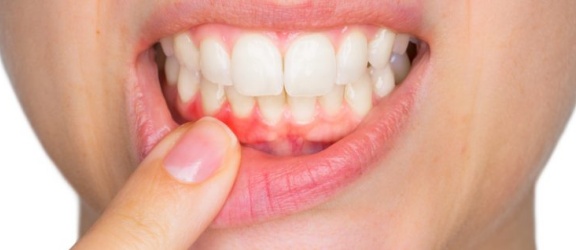
Su dentista le sigue advirtiendo sobre las encías sangrantes o inflamadas por alguna razón. Pueden llevarle a graves problemas de salud. La enfermedad periodontal, el resutado de infecciones e inflamaciones de las encías afecta a cerca del 50 por ciento de adultos de E.U., de 30 años y más, de acuerdo a los Centros para el Control y la Prevención de Enfermedades. “Unas malas encías pueden conducir a más problemas de salud de lo que la gente cree”, dice el Dr Harold Katz, dentista, bacteriólogo y urbanizador de TheraBreath Healty Gums Oral Rinse. “La bacteria en nuestras bocas se puede extender al cuerpo y los resultados pueden ser devastadores. Katz dice que los principales problemas de salud que los investigadores han asociado con las enfermedades de las encías incluyen:

Enfermedades cardíacas. Vsrios estudios han demostrado una relación entre la periodontitis y las enfermedades cardíacas. “La misma bacteria que causa los síntomas de la periodontitis, como la inflamación, el sangrado y la pérdida de hueso alrededor de los dientes puede viajar por el torrente sanguíneo a las arterias”, dice Katz. “La bacteria puede cerrar las paredes de las arterias y causar pequeños coágulos de sangre, aumentando el riesgo de un ineficiente fluído de sangre al corazón”.

Embolia. Los hallazgos de un estudio titulado “Impactos de la Periodontitis Sobre la Embolia Isquémica No Fatal” muostró que los pacientes que sufrieron una embolia tenían también evidencia de una infección oral. “Las investigaciones han indicado que las enfermedades de las encías casi equivalen a la presión arterial alta como causa de embolias”, dice Katz.

Cáncer. “La bacteria inflama las encías y puede causar reacciones similares a otros tejidos”, dice Katz. Un estudio publicado en Cancer Research, encontró que algunos de los mismos tipos de bacteria que provocan la enfermedad periodontal pueden estar relacionados a un riesgo más alto de cáncer del esófago. Otra investigación en Annals of Oncology, encontró que los hombres con una forma avanzada de periodontitis tenían un 45 por ciento de más probabilidades de ser diagnosticados con cáncer “Una prueba más de que simplemente se está usted poniendo en peligro por no tratarse las encías enfermas, permitiendo que la bacteria se extienda”, dice Katz.

WHO Urges Countries to Ban Trans Fat

Lawndale News Chicago's Bilingual Newspaper - Health

Lawndale News Chicago's Bilingual Newspaper - Health

The World Health Organization (WHO) urged all countries to get rid of trans fats in their food supply, with laws banning them if necessary. The artery-clogging fats kill half a million people a year and they’re completely unnecessary, the WHO said. Trans fats are used widely to make cookies, crackers, microwave popcorn and to try fry fast food. They are made by processing liquid oils to make them solid or semi-solid and to make them stay fresh longer than liquid fats. But the chemical process used to make them solid like butter also makes them clog arteries just a butter or lard does. They are also found naturally in some meats such as beef and mutton, as well as in dairy products. There is not a good way to remove trans fats from natural foods, but food policy experts agree there’s no place for artificially made trans fats in human diets. The FDA has ruled that partially hydrogenated oils are no longer “generally recognized as safe” or GRAS. As of next month, U.S. food manufacturers may not use trans fats in food products without FDA approval. Some cities, notably New York City, have also banned them.

FDA Approves New Drug for Migraines

Lawndale News Chicago's Bilingual Newspaper - Health

Lawndale News Chicago's Bilingual Newspaper - Health

The Food and Drug Administration approved a new migraine drug on Thursday. Aimovig, known generically as erenumab, is the first drug in a new class of headache medicines. It’s been shown to stop migraine headaches before they start. The drug would be approved for patients who have tried other drugs and found no relief. In studies, it did not entirely prevent migraines, but reduced their frequency. FDA’s approval means the drug may soon be available under prescription. It should also be paid for by health insurance. The drug’s maker, Amgen, said U.S. list price is for the once monthly self-inject treatment will be $575 per month or $6,900 annually. Erenumab the first in a new class of drugs that block calcitonin gene-related peptide (CGRP), a molecule that transmits migraine pain signals during an attack. It’s a human monoclonal antibody -a targeted immune system protein. It’s formulated as an injection to provide long-lasting protection.

Medical Corner: Mental Health Awareness

By: Ashmar Mandou

With mental illness affecting nearly 80 percent of the population, according to Journal of Abnormal Psychology, it’s a conservation worth having with loved ones or medical professional. As Mental Health Awareness Month draws to a close we spoke to medical professionals who shared their insight on propelling the conversation in a positive direction.

Sandeep Mellacheruvu, Director of Behavioral Health at Loretto Hospital

Lawndale News Chicago's Bilingual Newspaper - HealthLawndale Bilingual Newspaper: In the most basic form, what exactly is a Mental Illness?
When you look at the definition of mental health, it is the foundation of an individual’s ability to think, communicate, learn, one’s resilience to life stresses, and even a person’s self-esteem. Mental health is very important to maintaining sound relationships, and for our personal and emotional well-being. Sound mental health also provides a way for us contribute to our community and in the society in which we live. So when a person is faced with a mental health challenge, it involves changes to that person’s thinking, their emotions, their behavior or how they respond and react, and sometimes a combination of all of these in some cases. Mental illnesses can sometimes be associated with an individual’s distress or the person’s ability to function in a social, professional setting or at family activities.

But it is important to realize that mental illness is common, and more prevalent that you think. If you look at the statistics recorded by the National Association of Mental Illness (NAMI), about 1 in 5 adults experiences a mental health condition every year. One in 17 lives with a serious mental illness such as schizophrenia or bipolar disorder. But as the person who is suffering from in their mental health is experiencing difficulty, their family, friends and communities in which they live are also affected.

Mental Illnesses affect nearly 20 percent of the adult population, 46 percent of teenagers, and 13 percent of children each year from anxiety, to bullying, to PTSD, to dementia, and suicide to name a few. What can someone do to help advocate for those suffering from mental illness?
With a mental illness, you cannot see it. Quite often, we assume something other than a mental health disorder as a possibility for the peculiar behavior. You have to pay attention. Often times the signs are there, but again, people choose to ignore them for various reasons. Some of the most noticeable signs include: confused thinking; a lengthy bout of depression (sadness or irritability); feelings of extreme highs or extreme lows; excessive fears, worries and anxieties; social withdrawal; dramatic changes in eating or sleeping habits; strong feelings of anger; strange thoughts (delusions); seeing or hearing things that aren’t there (hallucinations); growing inability to cope with daily problems and activities; suicidal thoughts; numerous unexplained physical ailments; or even substance use. In younger children, you may see changes in school performance, poor grades despite strong efforts, hyperactivity, unexplained aggression or temper tantrums.

So if someone you know is presenting these symptoms, try to get them to a mental health professional. If they are showing no signs of imminent danger to themselves or others, it is a good idea to start with a psychologist for an in-depth evaluation. A psychologist will work to observe the patient very closely to thoroughly assess them for consistent behavioral patterns. If a higher level of care is needed, then the patient will be referred to a psychiatrist for further assessment. The important thing to remember is to not ignore any unfamiliar behavior, or changes in attitude or emotions. Again, as with any untreated disease, a mental illness requires immediate professional help for the best health outcomes.

What are some of the myths that affect people with mental illness?
One common myth about mental health problems is that only certain people are affected by it. When in fact, anyone can be affected by a mental illness – both young and old. When you think about major depression, which can also categorize as a mental health problem, about 1 in 10 Americans suffer from it. With regard to children, even young kids can show early signs of mental health issues as well that can be the result of the child’s biological, psychological or social environment. Also, over half of the all mental health disorders can sometimes show up in children as early as 14 years old. But most often, they are undiagnosed as actual mental health problems.

But I think one of the most widespread myths is that people with mental health disorders are violent and unpredictable. But in fact, majority of people with a mental health disorder are not violent. Less than 5 percent of all violent acts can be attributed to individuals with mental illnesses. The other fact that I would like to mention is that most of the violent acts we see in society are against people with mental illnesses. They are the true victims, often incarcerated at higher rates when they should receive higher levels of mental health care. The real fact that should be publicized is individuals with mental illnesses thrive well in society with the proper health care and treatment.

Are their preventative measures one can do when dealing with mental, emotional and/or behavioral disorders?
Let me first say that mental illness is treatable. The vast majority of individuals who are diagnosed with a mental illness can have a normal life with proper treatment. Sometimes treatment involves the use of medication along with therapy, and in some cases therapy is enough. However, if someone is diagnosed with a mental illness, it should not be ignored. As with any diseases in the human body, if left untreated, the disease can cause great damage and get worse over time. So it is best to seek the help of a mental health professional immediately.

As Mental Health Awareness Month draws to a close, what would you like people to be cognizant of when dealing with their own mental health?
Prevention is better than cure. It is important to be proactive in addressing our mental health as a daily routine and being self-aware of internal feelings. Being self-aware is by looking inwards. By asking ourselves: How do I feel about myself? Who am I? Who do I want to be? And what do I want to be? One has to observe healthy hygiene, exercise regularly, eat healthy, and get adequate sleep. Regular practice of Yoga and meditation has also been very helpful in keeping the mind and body healthy. Once they observe subjective symptoms of anxiety, depression, poor performance in the job, and increasing interpersonal conflicts it is important seek professional help from counselors or therapists and or psychiatrists. There are many self-help groups who are experiencing similar symptoms where meetings are moderated by volunteers who have successfully addressed their issues and offer help to those who are in need.

For information about The Loretto Hospital’s Behavioral Health Services, visit their website at www.lorettohospital.org/our-services/behavioral-health-services

Dr. Shastri Swaminathan, Chair of the Department of Psychiatry at Advocate Illinois Masonic Medical Center in Chicago.

Lawndale News Chicago's Bilingual Newspaper - HealthIn the most basic form, what exactly is a Mental Illness?
Mental health can include conditions that affect our thinking, emotion, behavior, or some combination of the three. 

Mental Illnesses affect nearly 20 percent of the adult population, 46 percent of teenagers, and 13 percent of children each year from anxiety, to bullying, to PTSD, to dementia, and suicide to name a few. What can someone do to help advocate for those suffering from mental illness?
Advocating for those who suffer from mental illness should be an imperative for all of us, in part because we are affected by it, but also because those who suffer from them – especially the more severe illnesses – cannot always speak for themselves. It is believed that the biggest barrier for people when it comes to accessing care is the stigma against mental illness. It is most helpful to the cause when we speak against stigma in any forum possible, such as schools and churches. There are also local and national advocacy groups such as NAMI (National Alliance on Mental Illness) and the Kennedy Forum in which we can participate.

What are some of the myths that affect people with mental illness?
The most harmful myth about mental illness is that it is a character flaw, an emotional weakness that causes people to become mentally ill and can just be “willed away.” Some other myths relate to the misconception these are “emotional” and not medical illnesses, and therefore do not need medical intervention. Research has shown that depression, anxiety and schizophrenia are as medical as diabetes or hypertension and require the same level of coverage throughout our health care system. Another terrible myth is that substance use disorders, such as addictions, are simply “lifestyle choices.” Ideas such as these can prevent folks from getting the care they need.

Are there preventative measures one can do when dealing with mental, emotional and/or behavioral disorders?
Although prevention of mental illness is more complex than just giving a vaccine, the idea is similar. Increasing resilience in children and adolescents through parenting and early intervention programs for children at high risk really do work. Equally critical are early detection and prompt treatment of depression and anxiety, which is aided by eliminating the negative stigma surrounding these illnesses and encouraging access to care both at home and in the workplace. Prevention also means reducing disability, enhancing rehabilitation and preventing relapses through all the means we have available.

As Mental Health Awareness Month draws to a close, what would you like people to be cognizant of when dealing with their own mental health?
During this month of Mental Health Awareness, it is important to keep in mind the essentials of sound mental health, including valuing oneself, investing in exercise, reaching out to people and staying connected with your community.

Dr. Scott Langenecker, Associate Director of the UI Center on Depression and Resilience at the University of Illinois at Chicago

Lawndale News Chicago's Bilingual Newspaper - HealthIn the most basic form, what exactly is a Mental Illness?
Mental illnesses are the result of the interaction of brain vulnerabilities in thinking and emotion as they interact with adverse experiences. Mental illness are brain illnesses that are broken into concerns with externalizing behaviors that are in excess, like substance abuse, mania, aggression, compared to internalizing thoughts and emotions like anxiety, worry, depression, obsessions. For many, mental illness can result interfere with functioning in social, educational, and occupational arenas.

Mental Illnesses affect nearly 20 percent of the adult population, 46 percent of teenagers, and 13 percent of children each year from anxiety, to bullying, to PTSD, to dementia, and suicide to name a few. What can someone do to help advocate for those suffering from mental illness?
The main thing we can do is advocate. Speak up. Ask for help in fighting against child abuse, bullying, sex abuse and harassment. Imagine how we would advocate for someone with cancer, or diabetes, in relation to access to care, insurance coverage.

What are some of the myths that affect people with mental illness?
The primary myth about mental illness is that it is something that the person should just snap out of, or just get over it. The myth is that only weak people or stupid people can have these brain illnesses. This myth contributes to stigma, where over half of people with brain illnesses affecting mental health do not talk about it, do not seek treatment. There is a myth that successful people have no reason to become depressed, or anxious, or to have a substance abuse problem. The reality is that everyone knows someone who has a mental illness, and these people are not weak, or broken, or unsuccessful.

Are there preventative measures one can do when dealing with mental, emotional and/or behavioral disorders?
Yes, early identification of the risk factors for mental illnesses can be key. People often have trouble coping, or with interpersonal relationships, or with school, before they meet all of the criteria for mental illnesses. Asking people if they are OK when things are tough. Getting preventative interventions for coping with stress, like exercise, yoga, diet, social groups, can make a huge difference.

As Mental Health Awareness Month draws to a close, what would you like people to be cognizant of when dealing with their own mental health?
Mental health is not black and white. It’s along a dimension of coping. Sometimes we are thriving and things are going well. Sometimes we are surviving and doing the best we can to make it, day by day. Sometimes we are struggling and we need to feel comfortable asking for help. Humans are social beings. We survive and thrive in groups. Reach out, do not go it alone. Connect with people. Be open. Get help if you need it.


Chicago’s Focal Point Wins Brownfields Cleanup Grant from US EPA

Lawndale News Chicago's Bilingual Newspaper - Health

Chicago Southwest Development Corporation (CSDC) is pleased to announce that it has been awarded a Brownfields Cleanup Grant for its Focal Point Community Campus project. CSDC is the only Illinois applicant to receive a Cleanup Grant this cycle from the United States Environmental Protection Agency (US EPA). The US EPA awarded $54.3 million through 221 grants to organizations nationwide, which will have an impact on over 144 communities. In 2016, the US EPA completed an assessment of a portion of the Focal Point campus and found hazardous substances present in the soil. The funding from the US EPA will allow CSDC to initiate critical cleanup and remediation efforts on part of its 32-acre Focal Point campus. Moving forward, CSDC will continue to explore and apply for additional cleanup funding opportunities at Focal Point. Here is what our elected officials are saying:

“This grant is an important step in the realization of the Focal Point Campus and addresses the environmental issues plaguing North Lawndale and Little Village that have stalled development,” said U.S. Senator Tammy Duckworth (D-Ill.). “I remain committed to supporting federal investments for this community and others like it that have been ignored for far too long.”

“This award will enable site remediation that will allow CSDC’s Focal Point Campus – one of Chicago’s largest redevelopment projects in some of its most underserved neighborhoods – to continue moving forward,” said U.S. Senator Dick Durbin (D-Ill.). “The Focal Point Community Campus is a significant part of the future of the west side of Chicago, and I look forward to seeing this area turned into a place for retail, recreation and human services for Chicagoans with the greatest need.” 

“Receiving this grant provides significant support in addressing the environmental hazards that impact the underserved communities of Chicago’s southwest side,” said Guy A. Medaglia, President and Chief Executive Officer for CSDC. “Focal Point has the power to change neighborhoods at their core, but it takes a serious commitment. We are grateful to work alongside the US EPA and our elected officials to help build this first-of-its-kind sustainable community development.” To learn more about this grant, please visit www.epa.gov/brownfields or contact CSDC at 773.484.1882.

Friends Influence Middle Schoolers’ Attitudes Toward Different Ethnicities

Lawndale News Chicago's Bilingual Newspaper - Health

Lawndale News Chicago's Bilingual Newspaper - Health

The United States is increasingly diverse ethnically and racially. Studies have shown that for young people, simply being around peers from different ethnic and racial backgrounds may not be enough to improve attitudes toward and relationships with other groups. Instead, children and adolescents also need to value spending time and forming relationships with peers from diverse groups. A new study examined how friends in middle school affect each other’s attitudes about interacting with peers of different ethnicities and races, finding that they influence each other’s racial and ethnic views significantly. The study was done by researchers at the University of Michigan and the University of California-Irvine. It appears in Child Development, a journal of the Society for Research in Child Development. The study collected information from 524 ethnically diverse students in grades 6, 7, and 8 who attended a middle school in the Midwestern United States. The students filled out surveys asking them about their friends in school and their attitudes toward diversity — how they felt about interacting with peers from different ethnic and racial groups. The researchers found that students who had more positive attitudes about interacting with peers from other ethnic and racial groups were most likely to be friends with students who shared the same attitudes. Students with more positive attitudes were less likely to select friends of the same race and ethnicity than those with less positive attitudes. And students’ attitudes became more similar to their friends’ over time.

How the Brain Decides to Make an Effort

Lawndale News Chicago's Bilingual Newspaper - Health

Lawndale News Chicago's Bilingual Newspaper - Health

From deciding to quit hitting the snooze button and get out of bed in the morning to opting to switch off the TV and prepare for sleep at night, the mind weighs the costs versus benefits of each choice we make. A new study reveals the mechanics of how the brain makes such effortful decisions, calculating whether it is worth expending effort in exchange for potential rewards. The Proceedings of the National Academy of Sciences (PNAS) published the findings by psychologists at Emory University. In the effort-first trials, participants were shown a vertical bar representing the percentage of their maximum button pressing rate that would be required to do the task. They were then shown the size of the reward for performing the task. The reward-first trials presented the information in the opposite order. After receiving both sets of information, participants were prompted to choose the no-effort option or the effort option. The experimental design allowed the researchers to tease apart the effects of recent choices on the formation of value expectations of future decisions. The results revealed a clear role for the vmPFC in encoding an expected reward before all information had been revealed. The data also suggested that the dACC and aI are involved in encoding the difference between what participants were expecting and what they actually got, rather than effort-cost encoding.

QUIEN Urge a los Países a Prohibir las Grasas Trans

Lawndale News Chicago's Bilingual Newspaper - Health

Lawndale News Chicago's Bilingual Newspaper - Health

La Organización Mundial de la Salud (WHO) exhorta a todos los países a deshacerse de las grasas trans en sus alimentos, habiendo leyes que las prohiben si es necesario. Estas grasas que obstruyen las arterias matan medio millón de personas al año y son completamente innecesarias, dijo WHO. Las grasas trans se usan mucho para hacer galletas, galletas saladas, palomitas de maíz en el micro ondas y para freir la comida rápida. Se forman procesando aceites líquidos para hacerlos sólidos o semisólidos y hacerlos permanecer frescos más tiempo que las grasas líqauidas. Pero el proceso químico utilizado para hacerlas sólidas, como la mantequilla, también las hace obstruir las arterias,como lo hace la mantequilla o la manteca. Se encuentran en forma natural en algunas carnes, como la carne de res y de cordero, así como en productos lácteos. No hay una buena manera de quitar las grasas trans de los alimentos naturales, pero expertos en regulaciones de alimentos están de acuerdo en que no hay lugar en las dietas humanas para grasas trans hechas artificialmente. FDA ha regularizado que los aceites parcialmente hidrogenados ya no son “generalmente reconocidos como seguros”. Desde el próximo mes, los fabricantes de alimentos de E.U. tal vez no usen grasas trans en los productos alimenticios sin la aprobación de FDA. Algunas ciudades, notablemente la Ciudad de Nueva York, también las ha prohibido.