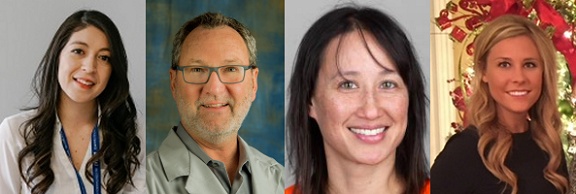

Registered Dietitian with Sinai Health System in Chicago Catalina Ruz Gatica, RDN, LDN

Lawndale News Chicago's Bilingual Newspaper - Health

By: Ashmar Mandou

January has become the notorious month to begin anew; when people revive their healthy lifestyle. This year, how would you advise people to rethink their relationship with food?
I love that we are using the word “relationship” here because we do have a relationship with food. It may be a good or a bad relationship, but we all have a connection with what we eat. I encourage my patients to think of food as a source of fuel. What you put in your body can give you energy, make you feel fantastic and accomplished — or it can make you feel sluggish, full of guilt, and negative emotions. It’s a great idea to hit the restart button here at the beginning of the year, and establish a healthy and committed relationship with what you eat. Rethink your food choices and the fruit of your relationship with food could lead to increased energy, improved health, and a longer life.

What rule of thumb would you recommend to people when they are bombarded with information regarding “food trends”?
Like any information circulating on the Internet and social media, it’s important to consider the source of the information. Is it reliable? Who is providing this information? Does it sound like it might provide “magical” results? Trained professional nutritionists and dieticians are careful to provide nutrition recommendations are based on scientific data. If the information sounds too good to be true, it probably is! Fad diets and miracle health products often make empty promises, and can even be hazardous to your health. Be an educated consumer. Do a little research to avoid falling into marketing traps.

Are there really any benefits to taking a multivitamin? And are there any possible negative effects of taking one?
Most Registered Dietitian Nutritionists (RDNs) agree that ideally everyone should obtain the nutrients they need from real food rather than pills or supplements. There is simply no substitute for the real thing! The best way to do that is by eating a variety of nutritious foods from all five food groups. You can get more information on this at myplate.org. However, there are some health conditions or cases that may benefit from nutrition supplementation (pregnancy, food allergies, gastric surgery, vegan/vegetarian diets- to name a few). As for negative effects, over consumption of some nutrients can cause health issues and therefore recommended intake levels should not be exceeded. Consult a professional if you have concerns about nutritional deficiencies or have questions about how to structure a healthy, balanced diet.

What’s the best way to make sustainable changes?
Creating a new habit is never an easy task. I think the key to making lasting dietary changes is to set SMART goals: Specific, Measurable, Achievable, Relevant (realistic!), and Time-sensitive. Start with something you are ready to tackle and give yourself clear boundaries for success. Only create three nutrition-related goals at any one time. Trying to do more than this can become overwhelming, and end up discouraging your efforts. Be kind and patient with your health journey; it is not a race! Go ahead and celebrate your small victories and build on top of your successes. Reassure yourself — You’ve got this!

What should people, regardless of age, consume daily? What should they eliminate from their diet today?
Vegetables, vegetables, vegetables! In talking with patients from all ages and different backgrounds, it’s rare to hear of people who eat the recommended amount of fruits and (especially) vegetables per day. It wouldn’t hurt for all of us to add a little color to our plates to get better fuel for our bodies. Eliminating food items that provide little to no nutritional value can make a big impact on our nutritional status. These include things like soda pop, highly sugary beverages/treats, and highly processed foods. If eliminating these items causes your heart to break a little, think about portion control as a way to start on your way toward eventually eliminate these things from your diet. Remember those SMART goals!

What ways can families cut back on unhealthy fats?
A big portion of the unhealthy fats consumed as a family come from eating out, particularly at fast food restaurants. A good tip for cutting back is to think about what your family is eating the rest of the day. If your family has a tradition of eating pizza on Friday nights, think about intentionally eating healthy for breakfast and lunch. Watch those portions throughout the day to avoid overconsumption of unhealthy fats and feeling defeated by a whole day of unhealthy eating.

What tips would you share for motivating people to continue eating healthy throughout the year?
I believe it all comes down to believing that you are capable and worthy of a healthier and happier version of yourself. Eating healthy is a form of self-care. Giving your body the right fuel can have a tremendous impact not only on how you look and feel, but eventually transform your relationship with food to a happy and healthy one!


Medicaid Cuts Pose Threat to Norwegian American Hospital

Lawndale News Chicago's Bilingual Newspaper - Health

Norwegian American Hospital is one of several Safety-Net hospitals statewide that could face a dramatic and immediate threat in patient care and jobs by proposed cuts in Medicaid when the Illinois Hospital Assessment Program expires on June 30th, 2018, the hospital announced Tuesday. The Hospital Assessment Redesign Legislation is scheduled to be introduced in Springfield on January 23rd, and Norwegian American Hospital is making major efforts to avoid the interruption of funds during the legislative process. This Hospital Assessment Program enables the state to match federal Medicaid funding and access billions of dollars for health care needs. Norwegian American Hospital receives about $38 million a year from these assessments, and any changes or delays in funding, such as the program being allowed to expire, would be devastating for the hospital since approximately three out of four patients (75 percent of total patients) at Norwegian American Hospital would be negatively impacted by Medicaid cuts.

Located in Humboldt Park, a predominantly Hispanic and African-American neighborhood, Norwegian American Hospital plays a critical role in the well-being of its patients, most of whom are low-income adults and children facing major health concerns such as diabetes, heart disease, and mental health issues. The assessment program allows the West side hospital to provide crucial services in the Emergency Department, Wound Clinic, Cardiology, and the newly-opened Comprehensive Diabetes Center, where limb salvage has become a priority.  Norwegian American Hospital employs over 900 individuals, many of whom live in Humboldt Park, and has approximately 350 medical personnel on its staff. A reduction or change in the assessment program would put these jobs, as well as those of over 25,000 Safet-Net hospital employees across the state, in jeopardy. Norwegian American Hospital has created a petition to the Illinois State House and the Illinois State Senate in an effort to stop proposed cuts in funding to Safety-Net hospitals.

Lawndale News Chicago's Bilingual Newspaper - Health

Lawndale News Chicago's Bilingual Newspaper - Health

Longer Breastfeeding Tied to Lower Diabetes Risk for Mothers

Lawndale News Chicago's Bilingual Newspaper - Health

Lawndale News Chicago's Bilingual Newspaper - Health

Mothers who nurse their babies now have another reason to continue as long as they can: longer periods of breastfeeding are associated with a lower risk of diabetes even decades later, a U.S. study suggests. Pediatricians recommend that mothers exclusively breastfeed infants until they’re at least six months old because it can reduce babies’ risk of ear and respiratory infections, sudden infant death syndrome, allergies, obesity and diabetes. Mothers are advised to continue breastfeeding for at least one year, a practice that previous research has linked to a lower risk of depression, obesity, and certain cancers. For the current study, researchers examined data on 1,238 mothers without diabetes at the outset. Over the next 25 years, 182 women developed diabetes. Compared to women who didn’t breastfeed at all, mothers who nursed babies for at least six months were 48 percent less likely to develop diabetes.

All of the women had at least one baby during the study, and most of them did breastfeed. Overall, 418 mothers, or 34 percent, nursed infants for up to six months. Another 268 women, or 22 percent, breastfed for six to 12 months, and 230 mothers, or 19 percent, nursed their babies for a year or more. Among women who didn’t breastfeed at all, 10 of every 1,000 typically developed diabetes each year, the study found. That dropped to fewer than 7 cases for every 1,000 people each year for women who nursed babies for up to six months, and fewer than 5 cases for women who nursed up to one year and fewer than 4 cases for mothers who breastfeed for longer. A diabetes diagnosis after pregnancy was much more common among women who developed a version of the condition known as gestational diabetes while they were pregnant. But longer periods of breastfeeding were still associated with a lower risk of diabetes later on, even for women who did experience gestational diabetes, researchers report in JAMA Internal Medicine.

Tips for Healthy Sight

Lawndale News Chicago's Bilingual Newspaper - Health

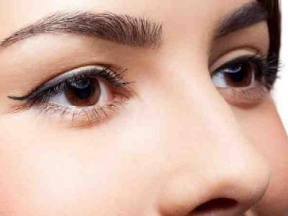
The National Eye Institute estimates that in the years between 2010 and 2050, the number of individuals affected by the most common eye disease –including age-related macular degeneration (AMD), cataracts, diabetic retinopathy, and glaucoma –“will double.” Here are a few tips to protect your eyes.

Go for regular eye exams
The best thing you can do to look after your sight is to go for regular eye tests. Although your vision may appear to be healthy, there is no way to be 100 percent certain unless a trained professional observes your eyes. Not only does an eye test determine whether or not you need glasses, but it can also spot eye conditions that can be treated effectively if detected early enough.

Lawndale News Chicago's Bilingual Newspaper - HealthEat vision-healthy foods
It is possible to eat your way to healthy vision. You often hear that eating carrots benefits the eyes, but there are plenty of other foods that are important for good eyesight, too. Consuming a diet rich in fruits and vegetables has been shown to promote eye health. Dark leafy greens, in particular — including collard greens, kale, and spinach — contain lutein and zeaxanthin, which are antioxidants that help to prevent the formation of cataracts.

Keep your weight under control
Being overweight or obese puts you at a higher risk of developing conditions such as diabetes or other systemic disorders, which may eventually lead to vision loss. Research conducted by the University of Melbourne in Australia and Leeds Beckett University in the United Kingdom discovered that considerable weight loss could potentially reverse eye damage caused by diabetes, high blood pressure, and obesity.

Higher cervical cancer rates among Latinas show greater need for prevention

Lawndale News Chicago's Bilingual Newspaper - Health

Lawndale News Chicago's Bilingual Newspaper - Health

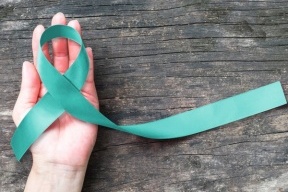
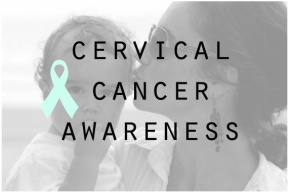
Latinas experience the highest rates of cervical cancer of any ethnic group in the United States according to Centers for Disease Control (CDC) data. Also extremely concerning, the American Cancer Society reports that more than 13,000 women will be diagnosed with cervical cancer in 2018. Considering that cervical cancer is very preventable, it is crucial to raise awareness and address barriers Latinas face to receiving life-saving preventative care. January, which is Cervical Cancer Awareness Month, is a great time to talk about ways to address cervical cancer related outcomes for Latinas. The good news: cervical cancer prevention works. As many as 93 percent of cervical cancers can be prevented, says the CDC, thanks to screenings like the Pap test and recent medical advancements like the Human Papillomavirus (HPV) vaccine. There are steps to take to protect yourself and your family.

1. Ask your doctor about the HPV vaccine for yourself and for your kids. HPV is a main cause of cervical cancer. The HPV vaccine can help protect against the types of HPV that most often cause cancer. The HPV vaccine is recommended for preteen boys and girls.

2. Get regular Pap tests after age 21. Pap tests look for abnormal cervical cells so they can be treated before they turn into cancer. You should ask your doctor about a Pap test even if you have not had a screening in a long time or if you had the HPV vaccine.

While preventative care is available, it is not always easy for everyone to get medical services. Concerns about costs, or not having insurance can discourage people from accessing needed care. Similarly, finding a provider that speaks your language is another challenge. The bottom line is that language, insurance status, and income should not get in the way of accessing preventative care. Fortunately, on the Southwest side of Chicago, services are available that take into account challenges patients face in cervical cancer prevention. Providers like Esperanza Health Centers are critical in the fight against cervical cancer, where all providers are bilingual, and many, bicultural. Additionally, Esperanza helps anyone in the community explore health insurance options, and will work with patients without insurance so that cost does not interfere with accessing preventative services like the HPV vaccine and Pap test. More information on cervical cancer and prevention:
https://www.cancer.org/cancer/cervical-cancer/about/key-statistics.html
https://www.cdc.gov/cancer/cervical/basic_info/prevention.htm

Rincón Médico: Nutrición

Lawndale News Chicago's Bilingual Newspaper - Health

Por: Ashmar Mandou

Las resoluciones más comunes de Año Nuevo tienden a girar alrededor de la salud, la pérdida de peso, alternativas de comida más saludable, etc. Sin embargo, la mayoría de la gente encuentra difíciles obstáculos que impiden que alcancen sus metas. En un esfuerzo por ayudarle a vivir una vida mejor, Lawndale Bilingual Newspaper inicia una nueva sección este mes, llamada Rincón Médico, donde nos relacionamos con los mejores profesionales médicos que pueden compartir, cada mes, su experiencia en temas de actualidad. Este mes nos enfocamos en nutrición y en recomendaciones para ayudarle a alcanzar su meta. Para leer el artículo completo, visite www.lawndalenews.com

Dietista Registrada en Sinai Health System en Chicago Catalina Ruz Gatica, RDN, LDN
Enero se ha convertido en un mes notorio para comenzar; cuando la gente revive su estilo de vida saludable. Este año, ¿Cómo aconsejaría a la gente que reconsidere su relación con la comida?

Me encanta que estemos utilizando la palabra “relación” porque tenemos una relación con la comida. Puede ser una relación buena o mala, pero todos tenemos una conexión con lo que comemos. Aconsejo a mis pacientes que piensen de la comida como una fuente de combustible. Lo que uno pone en el cuerpo puede dar energía, hacerlo sentir fantásticamente bien y realizado – o puede hacerle sentir perezoso, lleno de culpas y emociones negativas. Es una gran idea presionar el botón de reinicio al comienzo del año y establecer una relación saludable y comprometida con lo que comemos. Reconsidere sus alternativas de alimentos y el fruto de su relación con la comida podría llevarle a aumentar su energía, mejorar su salud y tener una vida más larga y saludable.

Dr. Mark Loafman, Director del Departamento de Medicina Familiar y Comunitaria en Cook County Health & Hospitals System (CCHHS)
¿Qué regla en general recomendaría a la gente cuando son bombardeados con información sobre “tendencias alimenticias”?

A pesar de las muchas “tendencias alimenticias” que han surgido al correr de los años, la base de lo que constituye una dieta saludable no ha cambiado en lo absoluto: 1) Coma suficientes frutas y vegetales, granos enteros y productos lácteos bajos en grasa. Esto nos ayuda a sentirnos satisfechos a la hora de la comida con menos necesidad de antojarnos de alimentos grasosos y con almidón para sentirnos satisfechos. 2) limite las grasas saturadas, que son generalmente las grasas que provienen de animales en vez de vegetales; y 3) Cuide su consumo de sal, que puede causarle retención de fluídos y mucha azúcar, que tiene poco valor nutritivo y está vinculada al aumento de peso, la diabetes y otras consecuencias para la salud. De hecho, eliminar las bebidas azucaradas de nuestra dieta parece ser uno de los mejores y más importantes pasos que podemos tomar. Ayuda el saber que el fuerte antojo por las bebidas azucaradas gradualmente disminuye cuando dejamos de tomarlas y tomamos agua pura.

Dietista Registrada y Entrenadora Física de Midtown Athletic Club Chicago Jenny Maloney
¿Que debería tomar la gente diariamente, sin importar su edad? ¿Qué debería eliminar de su dieta?

La gente debería centrar su dieta en vegetales, frutas, granos enteros y grasas saludables como el aceite de oliva y los aguacates. Cada persona es diferente, por lo que es difícil decir que deberían tomar todos diariamente, pero una cosa que todos debemos tomar es el agua. Todos necesitan agua para que su cuerpo y mente funcionen correctamente. También deben tratar de eliminar, lo más que puedan, los alimentos procesados y con mucha azúcar. Es difícil de hacerlo, pero el comer más alimentos naturales y menos procesados hará que la mayoría de la gente alcance sus metas – ya sea sentirse mejor, pesar menos, salud intestinal, prevención a las enfermedades y más.

Gerente Clínica de Nutrición en Norwegian American Hospital Natalie Knoll MS, RD, LSN
¿Cómo pueden las familias reducir el consumo de grasas no saludables?

Se sabe que las dietas altas en grasas saturadas aumentan el peso, los lٌípidos y la presión arterial. En vez de reducir todas las grasas, trate de reemplazar las grasas saturadas y trans con grasas más saludables de alimentos como el aceite de olivo, los aguacates, las nueces y las semillas de linaza o una dieta balanceada más saludable. Agregar alimentos como estos aumenta también el consumo de fibra, que puede ayudarle a mantenerse suficientemente satisfecho y ayudarle a estabilizar sus niveles de azúcar en la sangre.

Cortes al Medicaid Suponen una Amenaza para el Hospital Norwegian American

Lawndale News Chicago's Bilingual Newspaper - Health

El Hospital Norwegian American es uno de varios hospitales Safety-Net a nivel estatal que podría enfrentar una amenaza dramática e inmediata en el cuidado de los pacientes y empleos, por cortes propuestos al Medicaid cuando expire el Programa de Evaluación de Hospitales de Illinois el 30 de junio del 2018, anunció el hospital el martes. La Legislación de Rediseño de Evaluaciones de Hospitales está programada para ser introducida en Springfield el 23 de enero y el Hospital Norwegian American está haciendo un gran esfuerzo por evitar la interrupción de fondos durante el proceso legislativo. Este Programa de Evaluación de Hospitales hace posible que el estado iguale los fondos federales del Medicaid y ponga miles de millones de dólares para las necesidades del cuidado de salud. El Hospital Norwegian American recibe aproximadamente $38 millones al año de estas evaluaciones y cualquier cambio o demoras en fondos, como el permitir que el programa expire, sería devastador para el hospital, ya que aproximadamente tres de cuatro pacientes (75 por ciento del total de pacientes) del Hospital Norwegian American serían impactados en forma negativa por los cortes al Medicaid.

Localizado en Humboldt Park, barrio predominantemente hispano y afroamericano, el Hospital Norwegian American juega un papel crucial en el bienestar de sus pacientes, la mayoría de los cuales son adultos de bajos ingresos y niños que enfrentan graves problemas de salud, como la diabetes, enfermedades cardíacas y problemas de salud mental. El programa de evaluación permite que el hospital del sector oeste provea servicios cruciales en el Departamento de Emergencias, la Clínica de Lesionados, Cardiología y el recién abierto Centro Comprensivo para la Diabetes, donde la recuperación de extremdiades se ha convertido en prioridad. El Hospital Norwegian American emplea más de 900 personas, muchas de las cuales viven en Humboldt Park y tiene aproximadamente 350 integrantes del personal médico. Una reducción o cambio en el programa de evaluación pondría estos empleos en peligro, así como los de más de 25,000 de empleados en hospitales Safety-Net del estado. El Hospital Norwegian American ha creado una petición a la Cámara del Estado de Illinois y al Senado del Estado de Illinois, en un esfuerzo por detener los propuestos cortes en fondos a los hospitales Safety-Net.

Lawndale News Chicago's Bilingual Newspaper - Health

Lawndale News Chicago's Bilingual Newspaper - Health

Lactancia Más Larga Vinculada a Menor Riesgo de Diabetes para la Madre

Lawndale News Chicago's Bilingual Newspaper - Health

Lawndale News Chicago's Bilingual Newspaper - Health

Las madres que amamantan a sus bebés tienen ahora otra razón para continuar haciéndolo por el más tiempo que puedan: Períodos más largos de lactancia están asociados con un menor riesgo de diabetes, inclusive décadas más tarde, sugiere un estudio de E.U. Los pediatras recomiendan que las madres amamanten exclusivamente a los bebés hasta los seis meses de edad, porque esto puede reducir el riesgo de los infantes a padecer infecciones respiratorias o en los oídos, el síndrome de muerte infantil repentina, la obesidad y la diabetes. Se aconseja a las madres continuar amamantando a su hijos por lo menos hasta el año, prácticas que investigaciones anteriores han vinculado a un menor riesgo de depresión, obesidad y ciertos cánceres. Para el estudio actual, los investigadores examinaron los datos de 1,238 madres sin diabetes al principio. En los próximos 25 años, 182 mujeres desarrollaron diabetes. Comparadas a las mujeres que no amamantaron a sus bebés, las madres que si lo hicieron, por lo menos seis meses, tuvieron 48 por ciento menos probabilidades de desarrollar diabetes.

Todas las mujeres tuvieron por lo menos un bebé durante el estudio y la mayoría de ellas lo amamantó. En general, 418 madres, o el 34 por ciento, amamantaron a sus bebés por hasta seis meses. Otras 268 mujeres o el 22 por ciento, los amamantaron de seis a 12 meses y 230 madres o el 19 por ciento amamantaron a sus bebés durante un año o más. Entre las mujeres que no amamantaron,10 de cada 1,000 típicamente desarrolló diabetes cada año, encontró el estudio. Eso bajó a menos de 7 casos por cada 1,000 personas cada año en mujeres que amamantaron a sus bebés hasta seis meses y menos de 5 casos en mujeres que los amamantaron hasta un año y menos de 4 casos en madres que los amamantaron más tiempo. Un diagnóstico de diabetes después del embarazo fue mucho más común entre mujeres que desarrollaron una versión de la condición conocida como diabetes gestacional mientras están embarazadas. Pero los períodos más largos de lactancia aún están asociados con un menor riesgo de diabetes más tarde, inclusive en mujeres q ue experimentaron diabetes gestacional, reportan investigadores de JAMA Internal Medicine.

Consejos Para Tener una Vista Sana

Lawndale News Chicago's Bilingual Newspaper - Health

National Eye Institute calcula que entre los años del 2010 al 2050, el número de personas afectadas por las enfermedades de los ojos más comunes, incluyendo la degeneración macular relacionada con la edad (AMD) las cataratas, la retinopatía diabética y el glaucoma –“se duplicarán” A continuación unos cuantos consejos para proteger sus ojos.

Hágase un examen regular de la vista
Lo mejor que puede hacer para cuidar su vista es hacerse un examen regular. Aunque su vista parezca estar saludable, no hay forma de estar 100 por ciento seguro a menos que un profesional le revise los ojos. Una prueba no solo determina si necesita o no anteojos, sino que puede detectar condiciones en el ojo que pueden ser tratadas efectivamente si se detectan en sus primeras etapas.

Lawndale News Chicago's Bilingual Newspaper - HealthComa alimentos sanos para la vista
Es posible comer alimentos sanos para la vista. Muchas veces ha escuchado que comer zanahorias beneficia los ojos, pero hay muchos otros alimentos muy importantes para la vista. Consumir una dieta rica en frutas y vegetales ha demostrado promover la salud de la vista. Vegetales de hojas verde oscuro, en particular – incluyendo la col rizada y la espinaca – contienen luteína y zeaxanthina, que son antioxidantes que ayudan a prevenir la formación de cataratas.

Mantenga su peso bajo control
Tener sobrepeso o estar obeso le pone en un mayor riesgo de desarrollar condiciones como la diabetes u otros desórdenes sistemáticos que pueden eventualmente provocarle la pérdida de la vista. Investigaciones conducidas por la Universidad de Melbourne en Australia y la Universidad Leeds Beckett en el Reino Unido, descubrieron que una considerable pérdida de peso podía potencialmente revertir el daño en los ojos causados por la diabetes, la alta presión y la obesidad.

Un Mayor Indice de Cáncer Cervical entre la Mujer Latina Muestra una mayor Necesidad de Prevención

Lawndale News Chicago's Bilingual Newspaper - Health

Lawndale News Chicago's Bilingual Newspaper - Health

Las mujeres latinas experimentan un índice más alto de cáncer cervical que cualquier otro grupo étnico en Estados Unidos, de acuerdo a datos de los Centros para el Control de Enfermedades (CDC). También extremadamente preocupante, American Cancer Society reporta que más de 13,000 mujeres serán diagnosticadas con cáncer cervical en el 2018. Considerando que el cáncer cervical es muy prevenible, es crucial concientizar y atender las barreras que enfrentan las mujeres latinas para recibir cuidado preventivo que puede salvarles la vida. Enero, que es el Mes de Concientización del Cáncer Cervical, es un buen momento para hablar sobre la forma de atender el cáncer cervical relacionado con la mujer latina. La buena noticia: la prevención del cáncer cervical funciona. Tanto como el 93 por ciento de los cánceres cervicales pueden prevenirse, dice CDC, gracias a pruebas como el Papanicolau y recientes avances médicos como la vacuna Human Papillomavirus (HPV). Estos son los pasos a seguir para protegerse, usted y su familia.

1. Pregunte a su doctor sobre la vacuna HPV para usted y para sus hijos. HPS es la causa principal del cáncer cervical. la vacuna HPV puede ayudar a proteger contra los tipos de HPV que causan el cáncer con más frecuencia. La vacuna HPV se recomienda para jovenes y adolescentes pre-adolescentes.

2. Hágase la prueba del Papanicolau regularmente después de los 21 años. Esta prueba detecta células cervicales anormales para que puedan ser tratadas antes de convertirse en cáncer. Debe pedir a su doctor una prueba de Papanicolau inclusive si no se ha hecho una prueba en mucho tiempo o si se ha puesto la vacuna HPV.

Aunque hay cuidado preventivo disponible, no seimpre es fácil para todos conseguir los servicios médicos. La preocupación por el costo o por no tener seguro de salud puede desanimar a mucha gente a tomar las medidas necesarias. Igualmente, encontrar un proveedor que hable su lenguaje es otro reto. El problema es que el lenguaje, el seguro de salud